GoPro: Powered by User Generated Content
A few years back, I obtained my first GoPro camera after spending two years learning to ski. I wanted to capture memories from increasingly frequent ski trips with friends. The portable HD camera, launched around 2004, had generated significant buzz and accumulated millions of user-uploaded videos on YouTube.
Enter the PowPenguins
In March 2014, my friends and I visited the Telluride, Colorado ski slopes wearing matching penguin costumes. We filmed footage on a clear day, quickly assembled it with music using GoPro’s free editing software, and published the video to YouTube within hours.
Redefining Inbound Marketing
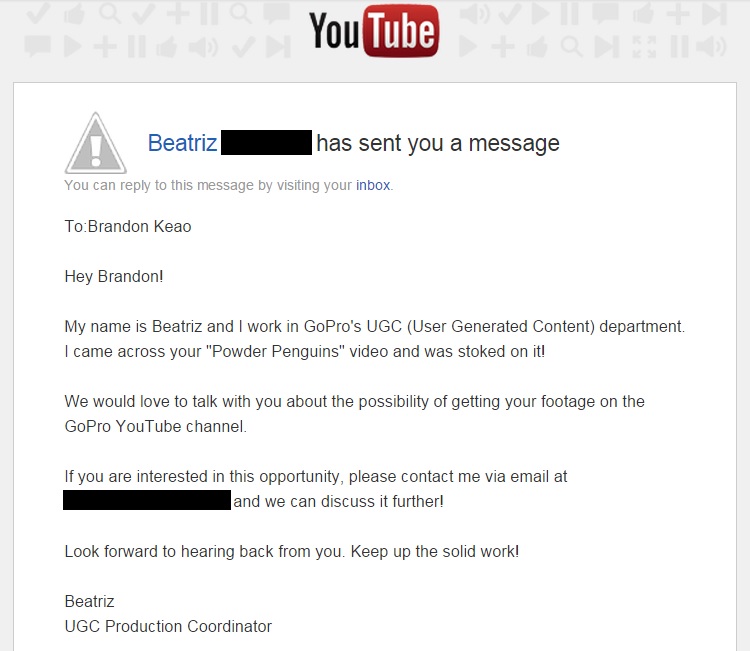
After posting the video, I received an unexpected email from Beatriz, a User Generated Content Coordinator at GoPro, who discovered my content through YouTube. She expressed interest in licensing my footage. This experience revealed GoPro’s marketing strategy: rather than creating traditional advertisements, they sourced and curated user-generated content, turning some submissions into commercials.
User Generated Content
The strategy tapped into people’s desire for recognition by allowing them to potentially achieve viral success. GoPro’s tagline emphasized this appeal to users seeking their moment of recognition.
New Competitors
Emerging platforms like Meerkat offered live streaming capabilities, providing alternatives to post-edited video content that GoPro dominated.
Powder Penguins, Concluded
While I didn’t achieve featured status on GoPro’s official channel, I licensed my footage for two free mounts and negotiated gear rental for a second shoot. I remain a dedicated GoPro advocate despite minimal direct recognition from the company.