Good to Great Product Management
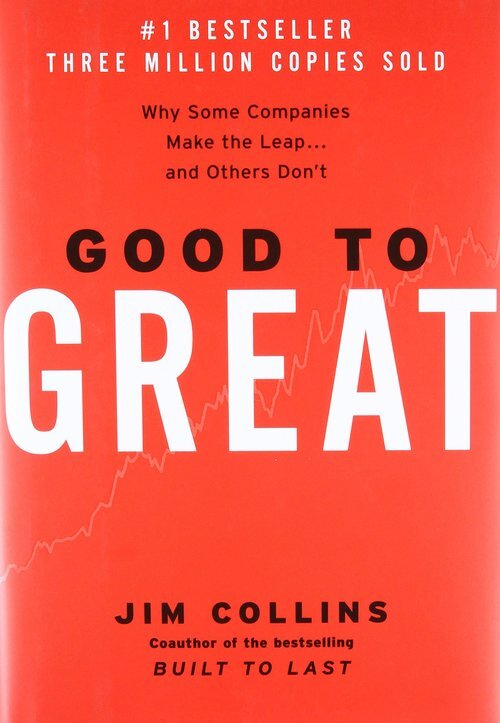
When beginning a career in product management, understanding what distinguishes exceptional practitioners from merely competent ones proves challenging. The discipline itself is relatively nascent, making standardized definitions elusive. I want to explore this question by drawing parallels to Jim Collins’ acclaimed business book Good to Great.
The Challenge of Definition
Product management literature overflows with perspectives on excellence, yet most advice remains tactical and experience-based rather than empirically grounded. Practitioners would benefit from balancing subjective observations with quantitative analysis—an approach Collins championed in his research.
The PM Flywheel Concept
A significant obstacle for product leaders involves misalignment with organizational strategy, leading to directional shifts that create “The Doom Loop.” Collins emphasizes that effective flywheels require sustained commitment while continuously improving components.
I recommend Melissa Perri’s Product Kata as a framework for generating momentum. This methodology helps teams connect experimentation, delivery, and learning to broader strategic objectives by prioritizing outcomes rather than output.
Implementation Reality
Transforming organizations into product-led entities demands senior leadership commitment and extended timeframes. However, even without enterprise-wide adoption, practitioners can establish localized excellence within their sphere of influence.