A Quest for Shared Understanding
This piece explores how product managers can improve estimation accuracy and prioritization through shared team understanding, drawing insights from Jeff Patton’s User Story Mapping.
Consulting Worst-Practices
I’ve learned from my consulting background that many improvement recommendations fail during implementation. Patton’s advice resonates: detailed handoffs without collaborative building don’t succeed. Consulting reports often end up unused because teams lack the context needed to execute recommendations effectively.
Documenting to Help Remember

Documentation should serve as contextual snapshots enabling teams to recall project details and have meaningful conversations. Think of documentation as vacation photos—deeply meaningful to those who shared the experience but meaningless to outsiders lacking that shared context.
User Story Mapping as Documentation
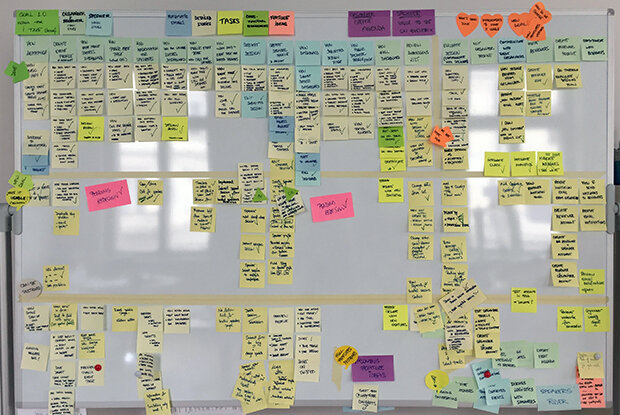
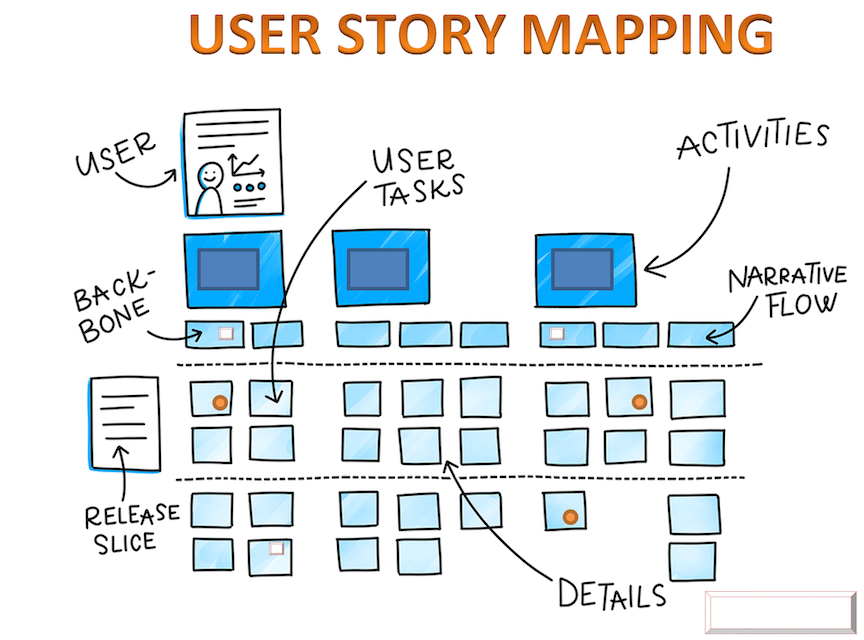
When teams experience recurring unknown requirements and inaccurate estimates, user story mapping provides solutions. Patton emphasizes that “Scope doesn’t creep; understanding grows” and “The best estimates come from developers who really understand what they’re estimating.”
Opportunity Backlogs and Release Slicing
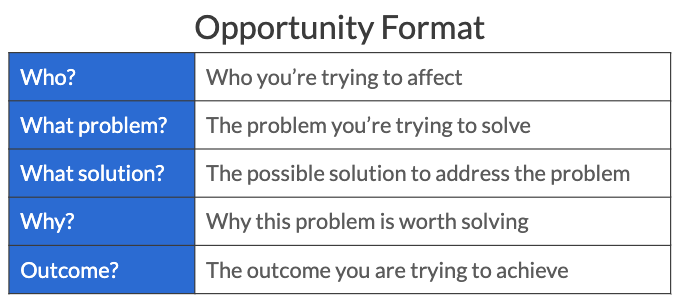
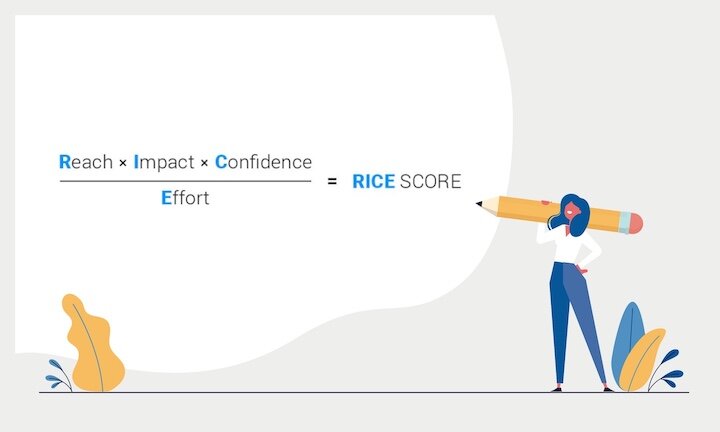
Before mapping, teams should establish prioritized opportunities using frameworks like RICE. Combining story mapping with strategic release slicing keeps teams focused on minimal viable solutions aligned with desired outcomes.
Conversations and Continual Learning
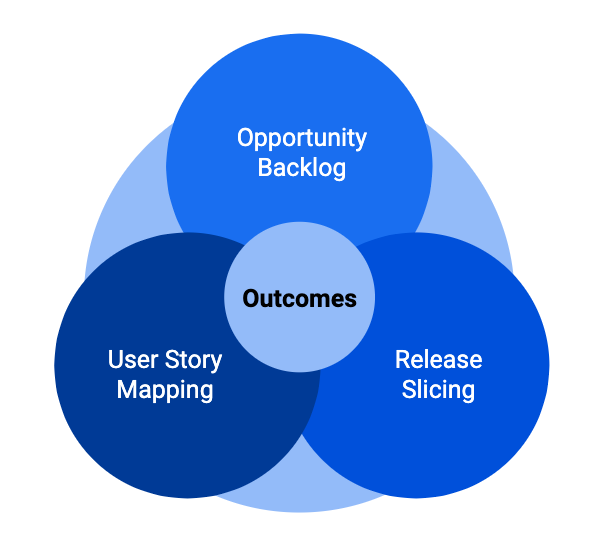
Ultimately, success requires ongoing dialogue and collaborative learning, prioritizing meaningful outcomes over output volume.